In year 12 my production task was creating an opening for a Thriller film and in year 13 for my A2 production I was given the task of creating a music video, website and an album cover. For both years the main areas that required the use of digital technology were the research, planning and construction stages.
The main differences between the production from my first year production and my second year production was the confidence in and breadth of the digital technology used in each stage. For the research and planning stages though the technology used stayed mostly the same, for my Thriller film opening I used websites such as Youtube, Facebook and also film critiquing websites such as IMDB. Youtube was used for a large part of my research as it was the best place to watch the openings and extracts of both urban and thriller movies this was especially important as we were aiming to create a hybrid genre film it was imperative that we identified the main codes and conventions of both genres so that we could create a hybrid of the two. I found that thriller openings were enigmatic and used suspense and tension to entice and entertain the audience I also noted that like in the 'Vertigo' opening they often used long tracking shots and close ups combined with jump cuts to draw the views into the narrative of a character but then distant them from it to draw them into the characters and story. And in urban films it was often a mixture of emotive characters, location shots and flashes of action to draw in the viewer and establish the urban setting after I had established these conventions I used review sites to learn how these films had been received to see if there interpretation of the conventions was well accepted but also used Facebook as a means of asking my target audience directly what their preferences were in these films. And as a result we were able to combine the two genres effectively. In the research stage of my A2 we used most of the same sources although we new because we were producing such a conventional music video production are product was going to be largely based around popular youth culture and we could the fore use an even wider breath of resources such as tumblr, music blogs, celebrity websites, fashion websites in order to research into the conventions of existing music videos for example Diggy Simmons' music videos that were always illustrative videos that used close ups, fast edits, emotion and movement to showcase the star and the emotions connected to the lyrics and narrative which were the basis of our treatment and then use the other sources to establish the popular trends and iconography such as skating or specific clothing.
I developed my skills using digital technology quite significantly during the construction stages from As to A2 in my As production it was my first time operating a high performance camera and we were often limited by kurt lack of knowledge and experience in operating the camera and in the different ways of using it to get varied shots. For example in my AS production we wanted a long tracking shot that changed between over the shoulder and P.O.V perspectives but found it difficult to get the camera steady for both types of shots which resulted in some shaky shots that couldn't be used and proved to be quite difficult for us to do at the time, however in my A2 production I found this wasn't really an issue and as we wanted to to have aspects of skating in our video we found ways of creating a moving steady cam which allowed us the creative freedom to have dynamic tracking shots that flowed like roller skates or have very low tracking shots using a skateboard for example which helped us have a far more interesting music video that also fit the conventions of our genre. The same applies to the editing of my two products although like in my AS production I added a colour filter to change the tone of the production in my A2 piece with improved skills in Final Cut I was able to make use of more interesting effects and also correct any issues we had whilst filming; for example we had a contact and colour issue that was correcting in the editing stage that i would not have been able to do last year which would have lowed the quality of the final production.
Over the time of the course I was able to develop my skills in creative digital media and enable myself to effectively create products that accurately represent my creative process because I am less restricted by not being able to use specific software and technologies.
Monday, 30 April 2012

Sunday, 29 April 2012
Looking at two types of Media, describe the ways in which a particular group of people are collectively represented or provided for, using specific examples to support your response.
The media is the governing force of information and ideology and, through careful censorship and injection of information has the power to mould both the realities and the mindsets of those exposed to its messages. The mass media and specifically for this discussion the press and film are controlled and created by adults; theories from Buckingham and Dyer say that as 'the media do not present us with a window on the world but a mediated version of the world, they don't just present reality they re-present it and as stereotypes are always about power: those with power stereotype those with less power'.
Subsequently youth and youth culture have always been a prominent feature of these messages often being subject to negative portrayals and stereotypes, this has been dominant portrayal of young people since the 1950's which as a post war era was a time where for the first time teens were able to have real leisure and social time, they were a generation with a liberated and prosperous future but because of lifestyle and value differences the media presented them as the source of cultural and moral decline. The first example of this is the film 'Rebel Without A Cause' which presents youth as ruled by delinquent behaviour and as a film conforms to adults fears about young people though it is interesting to note how they presented youth, James Dean the protagonist is presented not as villainous but as a sensitive,frustrated confused but rebellious and although they are producing a negative representation they gave it a kind of celebrity that appeals to adults and teens as well which could be said to make them consciously or unconsciously desire this presentation of youth. This type of representation has become even more sensationalised in contemporary media, watching films such as a Kidulthood by Noel Clarke shapes and in some cases distorts viewers perceptions of youths in reality Noel Clarkes presentation of youth contains violence, drug use, bullying, anti-social and a disregard for social norms by young people as the main themes and for the most part is shown to be the only way the characters know how to interact.Tim O'Sullivan's theory suggests that "the media produces a set of ideas which produces a partial and selective view of reality." this theory insinuates that the ideologies presented by the media in this case it is youth culture are distorted and are displaying an unrealistic version of young people that doesn't apply to the majority of young people but that becomes naturalised. For people from other social groups these representations are often the only experience of young people they get and this exposure to such negative portrayals can lead to moral panic, the Sun a newspaper backed campaigners who claimed 'Kidulthood' "glamorises violence" and the Times accused it of "indulging in middle class voyeurism" this often blows the representation out of proportion because people believe it is a threat further constructing a distorted but ideal of young people.
Although I agree that the media often uses these films to encode negative messages about youth and the press especially tabloid newspapers such as the sun often sensationalise stories about youth culture because it is a topic that sell well, this negative representation is not always constructed but reflected as well. During the London riots there were a number of young people that acted in a way that conforms to the negative hegemonic portrayal of young people and the violent and anti social behaviour broadcast wasn't fictional but live footage as well as this television shows are being made that are recreations of real live events such as a the urban drama 'My murder' that revolved around the killing of a youth in south London this portal was directly based on real events and so closer to reality then other representations.
Presently the main media institutions are controlled by adults and so even shows like 'My Murder' have been encoded and decoded for and by adults and young people aren't given a chance to present themselves. However through web 2.0 using social networking sites such as youtube, Facebook. twitter and tumblr young people are enabled to upload and comment on content they have chosen and created themselves, they have access to uncensored or regulated content away from the medias messages and as Henri Jenkins' theory that says, 'teens are constantly updating and customising their profiles online to construct and experiment with their identities' they are able to form and present their collective identity. In the future I would expect this idea of user created content from young people to become more wide spread to the point where adults are now accessing this content created by young people with the advancement of film production, editing and uploading equipment. Also with a new generation of people who will have grown up with the internet always having been there i feel they may become more influenced by these messages then those of the mass media, in conclusion the presentation of young people in the media is mostly negative as that is what adults and the greater public want to see although through the progression of web 2.0 it seems these negative representations are becoming the less prominent messages and it is moving from a marxist system to a pluralist one.
Subsequently youth and youth culture have always been a prominent feature of these messages often being subject to negative portrayals and stereotypes, this has been dominant portrayal of young people since the 1950's which as a post war era was a time where for the first time teens were able to have real leisure and social time, they were a generation with a liberated and prosperous future but because of lifestyle and value differences the media presented them as the source of cultural and moral decline. The first example of this is the film 'Rebel Without A Cause' which presents youth as ruled by delinquent behaviour and as a film conforms to adults fears about young people though it is interesting to note how they presented youth, James Dean the protagonist is presented not as villainous but as a sensitive,frustrated confused but rebellious and although they are producing a negative representation they gave it a kind of celebrity that appeals to adults and teens as well which could be said to make them consciously or unconsciously desire this presentation of youth. This type of representation has become even more sensationalised in contemporary media, watching films such as a Kidulthood by Noel Clarke shapes and in some cases distorts viewers perceptions of youths in reality Noel Clarkes presentation of youth contains violence, drug use, bullying, anti-social and a disregard for social norms by young people as the main themes and for the most part is shown to be the only way the characters know how to interact.Tim O'Sullivan's theory suggests that "the media produces a set of ideas which produces a partial and selective view of reality." this theory insinuates that the ideologies presented by the media in this case it is youth culture are distorted and are displaying an unrealistic version of young people that doesn't apply to the majority of young people but that becomes naturalised. For people from other social groups these representations are often the only experience of young people they get and this exposure to such negative portrayals can lead to moral panic, the Sun a newspaper backed campaigners who claimed 'Kidulthood' "glamorises violence" and the Times accused it of "indulging in middle class voyeurism" this often blows the representation out of proportion because people believe it is a threat further constructing a distorted but ideal of young people.
Although I agree that the media often uses these films to encode negative messages about youth and the press especially tabloid newspapers such as the sun often sensationalise stories about youth culture because it is a topic that sell well, this negative representation is not always constructed but reflected as well. During the London riots there were a number of young people that acted in a way that conforms to the negative hegemonic portrayal of young people and the violent and anti social behaviour broadcast wasn't fictional but live footage as well as this television shows are being made that are recreations of real live events such as a the urban drama 'My murder' that revolved around the killing of a youth in south London this portal was directly based on real events and so closer to reality then other representations.
Presently the main media institutions are controlled by adults and so even shows like 'My Murder' have been encoded and decoded for and by adults and young people aren't given a chance to present themselves. However through web 2.0 using social networking sites such as youtube, Facebook. twitter and tumblr young people are enabled to upload and comment on content they have chosen and created themselves, they have access to uncensored or regulated content away from the medias messages and as Henri Jenkins' theory that says, 'teens are constantly updating and customising their profiles online to construct and experiment with their identities' they are able to form and present their collective identity. In the future I would expect this idea of user created content from young people to become more wide spread to the point where adults are now accessing this content created by young people with the advancement of film production, editing and uploading equipment. Also with a new generation of people who will have grown up with the internet always having been there i feel they may become more influenced by these messages then those of the mass media, in conclusion the presentation of young people in the media is mostly negative as that is what adults and the greater public want to see although through the progression of web 2.0 it seems these negative representations are becoming the less prominent messages and it is moving from a marxist system to a pluralist one.
Thursday, 26 April 2012
Friday, 24 February 2012
Representation Analysis of our media products
Product- Our production was a sterotypical 'urbanm drama' much like others such as Shank, Kidulthood we did this because these films and the media have already constructed a dominant hegamonic image. The film industry especially London based films have in my opinion become a marxist producer of centralized ideals often portraying the hegamonic view of young people who are involved in violent behavior and crime and whether this is is a posative or negative thing these images have become naturalised in the minds of adullts who have a constructed view of youths or young people who have become to accept internalised sterotypes and because it is so prolific is easy for us and the audience to consume for their own gratification of needs. And as such we chose to represent youth in this way; and although we challenged the usual racial sterotype of black youths being involved in gang violence as our protagonist was of south american origin, although we show through setting and costume that he is a part of this social group s he is shown to be living in a gritty urban environment whilst wearing sterotypical bandanas, hoodies, an d nike brand trainers reflecting young people from this social group.
Although using this dominant representation may have been a negative for our production because this representation is so prolific and young people are continously shown to be a part of this violent culture the image has become redundant and lost its power it could even be said to be annoying because it has become such a mainstream representation.
Although using this dominant representation may have been a negative for our production because this representation is so prolific and young people are continously shown to be a part of this violent culture the image has become redundant and lost its power it could even be said to be annoying because it has become such a mainstream representation.
Wednesday, 8 February 2012
Analyse my product against narrative theory
My AS production was short intro to an an urban drama inspired by recent films such as Kidulthood, Adulthood and Shank. The opening follows the codes and conventions of urban london based films because we wanted to portray a narrative that our audiences could easily identify and respond to and as such we named the production 'Conflict' to highlight this; the protagonist is seen leaving his house when he is followed by a group of thugs from the local area who are from a rival gang he is chased and then beaten by them.
The opening was supposed to create enigma and generate audience interest in the narrative by establishing a character and presenting a confilct with other newly introduced characters using Propp's theories to clearly establish the protagonist as the 'hero' and the other youths as the 'villain' by conforming to the codes of Strauss' theory and using binary oppositions; using conceptual oppositions by showing the protagonist as passive and the other youths as aggressive and violent coupled with visual oppositions shooting the protagonist mostly in the light and the others in darkness. This makes the audience take the side of the protagonist which leads to greater level of involvement between film and audience. As well as hooking the audicene into wanting to know who these people are and how the situation is resolved; this structure pulls on Todorov's narrative theory that suggests that every narrative follows a three part structure the equilibrium, disruption and then a resolution however our product which is a film opening intentionally subverts this theory by leaving out the resolution and finishing with the disruption; Claude Levi-Strauss says that "narrative can only end on a resolution of conflict" and because it leaves the narrative without a resolution it is open ended and enigmatic; which is important because a film opening needs to hook an audience into the narrative and make them want to see the end. This is similar to Barthes enigma code which says that "narrative will establish enigmas or mysteries as it goes along. 'Essentially the narrative functions to establish and then solve these mysteries' our product establishes enigma by using time skips to leave out key pieces of narrative which leave it to the audience to unravel the text themselves.
My product follows the codes and conventions because it is based on well known stereotypes and allows the product to be easy recognised and identified with.
Thursday, 26 January 2012
Wednesday, 4 January 2012
Do Kidulthood and Fishtank provide an realistic representation of youth?
In a society where the media has the power to completely govern peoples opinions as it can be their only source of news and information, representations from the media can often be taken as fact. Issues of youth culture and behaviour are constantly the focus of the media's attention and are often at the forefront of social debate where the contemporary portrayal of young people in the media is negative, and it is this representation that is seen in the films 'Kidulthood' and 'Fishtank'.
The two films are both Y2K productions that portray a contemporary view of youth culture and are set in urban deprived areas of South London, areas that are associated with crime and anti social behaviour. Which are prominent features of both films; from the beginnings violence, drug use, bullying, anti-social and a disregard for social norms by young people are highlighted as the main themes and in these two films are for the most part shown to be the only way the characters know how to interact.Tim O'Sullivan's theory suggests that "the media produces a set of ideas which produces a partial and selective view of reality." this theory insinuates that the ideologies presented by the media in this case it is youth culture are distorted and are displaying an unrealistic version of young people that doesn't apply to the majority of young people but that becomes naturalised. For people from other social groups these representations are often the only experience of young people they get and this exposure to such negative portrayals can lead to moral panic, the Sun a newspaper backed campaigners who claimed 'Kidulthood' "glamorises violence" and the Times accused it of "indulging in middle class voyeurism" this often blows the representation out of proportion because people believe it is a threat further constructing a distorted but ideal of young people. I do agree that these films provide a negative portrayal that doesn't apply to a large portion of young people even in these areas however they are still accurate portrayals of a section of young people as the issues highlighted in the films are the same issues that are often reported on in real life. These films also show the positive side of young people in 'Kidulthood' through all the crime and violence we can see the emotional progression of the protagonist from a teenager to a responsible young man touching on real life issues of teen pregnancy and conversely in 'Fishtank' we see a young girl feels trapped who is taken advantage not making use of the opportunities she has an issue very close to home in the UK.
Noel Clarke said in an interview that "This film couldn't exist if these things weren't happening in society, I don't think it's controversial it's touching the nerve of a culture that's out there at the minute" Noel grew up in a similar environment to the one depicted in his film and is confident that it is hitting the centre of issues that are not only happening in real life but are very important and are in fact the reality that is not shown in the media and I agree with this opinion in that the images and ideologies from these two films are very realistic and mirror the actions of many young people in the real life I believe these films bring to the limelight issues that people try to push away from creative media and taboo. Stuart hall said " Identity is complex, not straightforward" this ideal is what we can see from these two films because of course the representation shown in the two films could said to be sensationalised or glamorising social issues however what they really portray is the complicated construction of identity in places where these are real issues it won't apply to every young person but it is definitely a real representation of youth.
The two films are both Y2K productions that portray a contemporary view of youth culture and are set in urban deprived areas of South London, areas that are associated with crime and anti social behaviour. Which are prominent features of both films; from the beginnings violence, drug use, bullying, anti-social and a disregard for social norms by young people are highlighted as the main themes and in these two films are for the most part shown to be the only way the characters know how to interact.Tim O'Sullivan's theory suggests that "the media produces a set of ideas which produces a partial and selective view of reality." this theory insinuates that the ideologies presented by the media in this case it is youth culture are distorted and are displaying an unrealistic version of young people that doesn't apply to the majority of young people but that becomes naturalised. For people from other social groups these representations are often the only experience of young people they get and this exposure to such negative portrayals can lead to moral panic, the Sun a newspaper backed campaigners who claimed 'Kidulthood' "glamorises violence" and the Times accused it of "indulging in middle class voyeurism" this often blows the representation out of proportion because people believe it is a threat further constructing a distorted but ideal of young people. I do agree that these films provide a negative portrayal that doesn't apply to a large portion of young people even in these areas however they are still accurate portrayals of a section of young people as the issues highlighted in the films are the same issues that are often reported on in real life. These films also show the positive side of young people in 'Kidulthood' through all the crime and violence we can see the emotional progression of the protagonist from a teenager to a responsible young man touching on real life issues of teen pregnancy and conversely in 'Fishtank' we see a young girl feels trapped who is taken advantage not making use of the opportunities she has an issue very close to home in the UK.
Noel Clarke said in an interview that "This film couldn't exist if these things weren't happening in society, I don't think it's controversial it's touching the nerve of a culture that's out there at the minute" Noel grew up in a similar environment to the one depicted in his film and is confident that it is hitting the centre of issues that are not only happening in real life but are very important and are in fact the reality that is not shown in the media and I agree with this opinion in that the images and ideologies from these two films are very realistic and mirror the actions of many young people in the real life I believe these films bring to the limelight issues that people try to push away from creative media and taboo. Stuart hall said " Identity is complex, not straightforward" this ideal is what we can see from these two films because of course the representation shown in the two films could said to be sensationalised or glamorising social issues however what they really portray is the complicated construction of identity in places where these are real issues it won't apply to every young person but it is definitely a real representation of youth.
Friday, 2 December 2011
GLOSSARY- Key Theorists & Terms
KEY TERMS
Hypodermic Needle Model – Media is like a drug, it’s all around us and we even take it in without trying. The Hypodermic Needle Model suggests that the information from a text passes into the mass consciousness of the audience unmediated; the experience, intelligence and opinion of an individual are not relevant to the reception of the text.
Negative Portayal- Where the media portrays a particular person or social group in a negative way.
Posative Portrayal- Where the media portrays a particular person or social group in a posative.
Binary Oppostitions- Where two subjects are the polar opposites of eachother.
Connotations- An idea or meaning suggested by media texts.
Identity Construction- Where idenitiy is formed.
Buzz Words- Phrases that trigger certain reactions.
Superimpositions- In media it is where an idelogy is impressed on a person.
Socio-economic factors- Social and economic factors that characterize the individual or group within the social structure.
Association- The links between to subjects.
Association- The links between to subjects.
Sub-Cullture- A collective of people with their own distinct interests, appearance, mindset etc
Direct Address- When a media text is directed at its audience directly.
Mise-en-scene- Literally what’s on the set (costume, props, backdrop)
Social Inclusion- Is a concept used in many parts of the world to characterise contemporary forms of social disadvantage.
Enigma- Mysterious or unknown.
Enigma- Mysterious or unknown.
Puffs- Is a short snippet of text to gain attention of audience e.g. 'free toast'
Audience- The subject if a media text.
Distorted- Where the view of a media message is changed to create a different false meaning.
Audience- The subject if a media text.
Distorted- Where the view of a media message is changed to create a different false meaning.
Mediated- A persons understanding of a media text.
Media Saturated- An environment where the media is prevelent in all areas of society.
Popular Culture- Popular culture is the accepted and favoured social order and interets.
Dominant- Most important, powerful, or influential.
Iconography – Visuals associated with a person, can be part of their persona.
Iconography – Visuals associated with a person, can be part of their persona.
Submissive- The weakest or passive.
Govern- To control and direct.
Hegemonic- The dominant viewpoint.
Ideology – A set of ideas
Ideology – A set of ideas
Moral Panic- A moral panic is the intensity of feeling expressed in a population about an issue that appears to threaten the social order.
THEORIES
THEORIES
Henry Tajfels social identity theory states that assumes that indivduals strive to improve there self image by enhancing self-esteem. He argues that there are distinct in and out groups based on favourtism and discromination.
Stuart Halls theory on ideology states that ideolgical portrayals become naturalised which then mask themselves as common sense.
Henry Jenkins digital age theory states that teens are constantly updating and customising their online profiles. Adding photos, songs and posting on each others virtual walls where we use these mediums to build up a digital and social identity.
Merleau Ponty- We have an embodied experience and anything in which we use our bodies to create, we help builds our identity.
Althusser – Interpellation – We become bombarded with messaged, we become a subject rather than an individual as soon as we engage them, they control us (post modernism).
Hypodermic Needle Model – Media is like a drug, it’s all around us and we even take it in without trying. The Hypodermic Needle Model suggests that the information from a text passes into the mass consciousness of the audience unmediated; the experience, intelligence and opinion of an individual are not relevant to the reception of the text.
Michael Foucault – We are born with a basic identity. Our identity mediates as we get older and meet other people. We gain a collective identity by doing this and become part of a group. However, it can be seen as a negative to be part of a collective identity because this encourages stereotypes to be created. Once you are in a group, it’s hard to change and be seen as different
David Buckingham- Adolescence is a distinctive stage with a beginning and an end a gradual pregression to adulthood, the path is different for men and women. The progression is about 'becoming' rather then 'being' it is about what you will become.
Marxism- The theory by Karl Marx whihcb states that all members of society will be governed by work and in and in a class less system and will follow the same rules and hold similar beliefs.
Winship notion of complexity is about being prepared, in terms of an audience gratification to finally recognise an ideal version of ourselves. where a constructed audince is made.
Friday, 18 November 2011
The media has replaced family, society and religion as the main source of collective identity.
In a highly media saturated environment, the mass media has become a dominant power which governs the construction of collective identity; I believe it is easy to see how the media may have replaced traditional values such as family and religion as the main source of identity construction. When you consider how the key components of popular culture: music texts, film, advertisements and magazines form an image of youth culture or 'urban tribe' that young people mediate in the construction of their identity. Carl Rogers said that " magazine texts and adverts are encoded specifically to represent an aspirational lifestyle, offering audiences images of an ideal self and ideal partner” what this theory suggests is that it is not that young people are now forming their identities from representations in the media but that the mass media is specifically encoding certain images and ideologies about sub-culture, social class, acceptable behaviours, appearance etc. to construct collective identity.
David Buckingham said that "adolescence is about becoming rather then being" and as it is a developmental stage in the construction of our identity's young people are vulnerable subsequently it has become obvious that young people are most susceptible to the messages from the media. A good example of this is the popularity of celebrity culture which portrays glamour, fame and material goods as essential, compared to traditional ideologies of hard work, morality, and good behaviour constructed by family values and religion an article by the Guardian said that "The Big Brother and X Factor generation has grown up not only with the tantalising prospect of acquiring ever more desirable accessories, bling and technology, but also with the mistaken expectation that they too can be celebrities, be rich, be famous, with little effort or talent required." This demonstrates that the ideals of working hard and having good behaviour enforced by family and religion to achieve success which are often associated with post war golden eras like the 60's are not relevant to the youth of today, and by using recent and very popular examples like Big Brother and The X Factor which has viewing numbers of 12.6 million it shows that these are the dominant ideologies.
In the past the ideals of family values and religion acted as a control measure for young people and often imposed many restrictions, regulating the construction of youth identity using Marxist methodology in that they only expressed one way of living. The media however is the binary opposition of this idea and the emergence of web 2.0 and social media have given young people a new avenue to express themselves and the freedom to develop their collective identities. In the London riots young people were using social networking sites such as Facebook as well as Blackberry messenger to rally others and forming groups. A Guardian article on the London riots commented that "the benefit of smartphones and messaging is they can mobilise a sufficient mob to make it possible to help themselves with little difficulty and little fear of any consequences." The online media could be thought of as the postmodern media because it has created a social order in which the importance and power of the media is so strong it can govern all the other social relationships, during the riots young people used social networking sites to ignore the rules of society and form groups and gather members to go rioting it is apparent that the influence of these tools such as online media had become dominant as the press had labelled the government as "floundering with a lack of grip". Also with the use of social networking sites young people can escape the normal rules of society and social interaction because of the anonymity of the online world they feel liberated and people who may have low self-esteem in reality may now be able to interact socially with a huge number of people Henry Jenkins said “Teens are constantly updating and customising their profile online, adding photos and song posting on each other’s virtual walls” by sharing music and interests online young people are using web 2.0 to join sub groups and form collective identity more easily then in society and even in a contemporary example like the London riots young people “ are the centre of attention and stars in their own drama; no wonder any sense of reality or acceptable behaviour seems to have vanished. And they are filming themselves – mobile phone videos of their latest exploits are being shared and admired between the protagonists as if they are immersed in their own Xbox version of Mortal Kombat or Grand Theft Auto- The Guardian”. In some cases young people are taking this sense of freedom from the online and projecting it into reality and this can be seen in cases like the London riots where they are fighting against social order.
It is true that the media has become a crucial element in the lives of everybody and it is always affecting us, however even if we are surrounded by media messages it is up to the individual. David Gauntlett said that “audiences have their own opinions but the media’s repeated messages have a subtle effect even if they don’t overpower it” this shows that even if the media does have an effect on the collective identity of young people it is more up to ourselves to decode and mediate these broadcasts and not let them overpower us especially as for many the teachings from family and religion come earlier in our lives then the messages from the media and are very important in conclusion the media has become a power that can rival society and religion but can never truly erase them.
David Buckingham said that "adolescence is about becoming rather then being" and as it is a developmental stage in the construction of our identity's young people are vulnerable subsequently it has become obvious that young people are most susceptible to the messages from the media. A good example of this is the popularity of celebrity culture which portrays glamour, fame and material goods as essential, compared to traditional ideologies of hard work, morality, and good behaviour constructed by family values and religion an article by the Guardian said that "The Big Brother and X Factor generation has grown up not only with the tantalising prospect of acquiring ever more desirable accessories, bling and technology, but also with the mistaken expectation that they too can be celebrities, be rich, be famous, with little effort or talent required." This demonstrates that the ideals of working hard and having good behaviour enforced by family and religion to achieve success which are often associated with post war golden eras like the 60's are not relevant to the youth of today, and by using recent and very popular examples like Big Brother and The X Factor which has viewing numbers of 12.6 million it shows that these are the dominant ideologies.
In the past the ideals of family values and religion acted as a control measure for young people and often imposed many restrictions, regulating the construction of youth identity using Marxist methodology in that they only expressed one way of living. The media however is the binary opposition of this idea and the emergence of web 2.0 and social media have given young people a new avenue to express themselves and the freedom to develop their collective identities. In the London riots young people were using social networking sites such as Facebook as well as Blackberry messenger to rally others and forming groups. A Guardian article on the London riots commented that "the benefit of smartphones and messaging is they can mobilise a sufficient mob to make it possible to help themselves with little difficulty and little fear of any consequences." The online media could be thought of as the postmodern media because it has created a social order in which the importance and power of the media is so strong it can govern all the other social relationships, during the riots young people used social networking sites to ignore the rules of society and form groups and gather members to go rioting it is apparent that the influence of these tools such as online media had become dominant as the press had labelled the government as "floundering with a lack of grip". Also with the use of social networking sites young people can escape the normal rules of society and social interaction because of the anonymity of the online world they feel liberated and people who may have low self-esteem in reality may now be able to interact socially with a huge number of people Henry Jenkins said “Teens are constantly updating and customising their profile online, adding photos and song posting on each other’s virtual walls” by sharing music and interests online young people are using web 2.0 to join sub groups and form collective identity more easily then in society and even in a contemporary example like the London riots young people “ are the centre of attention and stars in their own drama; no wonder any sense of reality or acceptable behaviour seems to have vanished. And they are filming themselves – mobile phone videos of their latest exploits are being shared and admired between the protagonists as if they are immersed in their own Xbox version of Mortal Kombat or Grand Theft Auto- The Guardian”. In some cases young people are taking this sense of freedom from the online and projecting it into reality and this can be seen in cases like the London riots where they are fighting against social order.
It is true that the media has become a crucial element in the lives of everybody and it is always affecting us, however even if we are surrounded by media messages it is up to the individual. David Gauntlett said that “audiences have their own opinions but the media’s repeated messages have a subtle effect even if they don’t overpower it” this shows that even if the media does have an effect on the collective identity of young people it is more up to ourselves to decode and mediate these broadcasts and not let them overpower us especially as for many the teachings from family and religion come earlier in our lives then the messages from the media and are very important in conclusion the media has become a power that can rival society and religion but can never truly erase them.
Friday, 11 November 2011
Media does not construct collective Identity they merely reflect it.
We live in a highly media saturated society and as a result the media has a huge influence on the ideology of those exposed to it. The statement that 'media does not construct collective identity they merely reflect it' is suggesting that the messages broadcasted by the mass media are all factual representations of real social groups and that all representations either positive or negative are accurate reflections. However I disagree with this statement and would argue that the media constructs the majority of its messages especially on collective identity controlling various socio-economic factors; where the media uses Marxist methodology to circulate and reinforce dominant ideologies.
This is very true of the way that Postmodernism works as it is the emergence of social order where the importance of the power of mass media and pop culture governs and shapes all forms of social relationships, it is evident from this that the mass media has profound influence on the way people think. Tim O'sullivan's theory on ideology says that says that "media produces a set of ideas which produces a partial and selective view of reality." this can be seen clearly looking at contemporary case studies, during the London riots the media portrayed youth negatively one article from the Mirror said that "What word other than “feral” better describes the swarms of hooligans abandoned to their own devices by slattern mothers and absentee “babyfathers”? " By continually referring to young people as 'feral' or 'hooligans' they construct an image of violence and brutality that may not be truthful to the reality of youth yet by doing so they create and superimpose on young people a collective identity based on these negative images. The repetition of these negative connotations creates moral panic and then people begin to fear certain social groups; also it means that these ideas eventually come to be 'common sense' and become naturalised meaning that even if this idea was merely constructed by the media it becomes reality in the minds of the public.
However it is arguable that the media is only reflecting how the youths really are because in recent years there has been a rise in the amount of violent behaviour committed by youths in an article from the telegraph it is said that the "number of under-18s convicted or cautioned over violent offences rose from 17,590 to 24,102 - an increase of 37 per cent." these statistics are factual and an accurate representation of youth behaviour although the result of an older person looking at these statistics may be the same as them reading a sensationalised tabloid newspaper article about 'yobs' and 'hooligans' the collective identity portrayed here is a reflection of real people and this is often the case with broadsheet newspapers; whereas tabloids tends to over exaggerate any story in order to sell more copies.
In an article written in the Guardian entitled "Young people don't like us. Who can blame them? The author fairly represents the often hidden voice of young people he considers what many others in the media do not consider the circumstances of the young people he writes about. He shows that the stereotypes that have been created by the media are traps that are made to be very easy to fall into especially for those who for example live in a deprived area. He refers to other news articles as “spiteful, biased, inaccurate factoid journalism that portrays youths as a hateful, terrifying, anti-social and a petty criminal that society would be better without”.
For this opinion to come from somebody within the media it is apparent they do not 'merely reflect' collective identity although the type or extreme of representation by the media seems to vary from the different institutions, those that are more profit and gossip driven like tabloid sources are more likely to sensationalise the stories where more formal news sources will reflect the real image of youths; although this may change according to the political orientation of the institute. In conclusion the media is just a tool of the institutes that control them and so is the choice to represent certain groups in a specific way and whether it reflects the collective identity or constructs it usually depends on whether it will benefit that institute.
Thursday, 10 November 2011
Monday, 24 October 2011
How far does the representation of a particular social group change over time?
David Buckingham says that "Adolescences progression is about 'becoming' rather then 'being' adolescence is about what you will become" what this quote suggests is that young people are at the initial stages of their identity construction and this transitional period will be their start of discovering who they are, we can apply this theory to the whole social group of youth as well as I think that think it means not only is adolescence a period where individuals develop their identity’s but as these young people begin find what they enjoy they find other similar people and form sub groups which links with Henry Jenkins theory on identity construction; and with the development of the media both mass and social the representations of youth change in turn, this evident in the examples 'Rebel without a cause (1955)' and 'Kidulthood (2006)'.
Both films depict the lives of rebellious youths who could be considered to be a part of negative sub cultures however I believe the representation in rebel without a cause is that of a counter culture in that they are trying to subvert the norms of the society behind them by going against the traditional proper middle-class ideal ology of their parents; the protagonist Jim Stark is presented as being displaced and different as he neither fits in with the majority of characters and has conflict with the local 'bad' group. This is similar to the set of main characters in Kidulthood as they are part of a social group that is neither with the majority of 'normal' students but still has conflict and is oppressed by both a more powerful social group and greater society; in both films the interaction of characters is centred around Henri Tajfel's theory on 'in and out' groups and we can see in both films the existence of distinct groups where the 'in group' clearly tries to raise their self-esteem and self-worth by bullying and discriminating against the 'out-group' and in this sense both films equally raise and present social issues to the masses.
Though both films do present social issues I feel that Rebel without a cause' is presents its protagonists as being a part of a counter culture whereas in Kidulthood a Y2K film even though they don’t adhere to the rules set by regular society they are represented as violent and taking part in anti-social behaviour; which reflects the way that youth are often negatively depicted in the media in present society for example the way that during the London riots young people were depicted as being 'savage', 'violent' hooligans. there was also racial profiling by the media as most of the hooligans shown were of black decent this is also the case in Kidulthood whereas in Rebel without a cause the characters are predominately white although this is probably mostly due to the difference in time periods however the image presented by the media has definitely become more extreme and graphic. In Kidulthood there are often scenes of heightened and graphic violence between young people often accompanied by incessant swearing and crude language as well as depicting the characters to be promiscuous and very sexually active where the female character are often portrayed in the hegemonic view of submissive females as they are often seen merely as sexual objects by male characters and are seen performing sex acts. Whereas by comparison rebel without seems extremely watered down which shows that in that time representation of youth was not as graphic and was more reserved whereas now the representation is more graphic although it may be that now it is just that the representation is a more realistic portrayal and its not that young people have become more barbaric it is just that the representation of them in films like Rebel without a cause is not as realistic.
The representations from 1950 have completely evolved to the representations from the Y2K era in that the representations have become more graphic and often quite negative youth are now often portrayed as being mindlessly violent in comparison to the way were shown to be rebelling more against their parents in films like Rebel without a cause. This representation is bound to change as the times do and as young people construct their identity's both collective and personal and I personally believe that the representation now is often more realistic then it was in the 50's however i also feel that the mass media has flipped that on its head and rather then the more realistic rougher image of youth being held back like in Rebel without a cause the mass media is often used to create a sense of hysteria by overemphasising and blowing young people behaviours out of proportion.
Both films depict the lives of rebellious youths who could be considered to be a part of negative sub cultures however I believe the representation in rebel without a cause is that of a counter culture in that they are trying to subvert the norms of the society behind them by going against the traditional proper middle-class ideal ology of their parents; the protagonist Jim Stark is presented as being displaced and different as he neither fits in with the majority of characters and has conflict with the local 'bad' group. This is similar to the set of main characters in Kidulthood as they are part of a social group that is neither with the majority of 'normal' students but still has conflict and is oppressed by both a more powerful social group and greater society; in both films the interaction of characters is centred around Henri Tajfel's theory on 'in and out' groups and we can see in both films the existence of distinct groups where the 'in group' clearly tries to raise their self-esteem and self-worth by bullying and discriminating against the 'out-group' and in this sense both films equally raise and present social issues to the masses.
Though both films do present social issues I feel that Rebel without a cause' is presents its protagonists as being a part of a counter culture whereas in Kidulthood a Y2K film even though they don’t adhere to the rules set by regular society they are represented as violent and taking part in anti-social behaviour; which reflects the way that youth are often negatively depicted in the media in present society for example the way that during the London riots young people were depicted as being 'savage', 'violent' hooligans. there was also racial profiling by the media as most of the hooligans shown were of black decent this is also the case in Kidulthood whereas in Rebel without a cause the characters are predominately white although this is probably mostly due to the difference in time periods however the image presented by the media has definitely become more extreme and graphic. In Kidulthood there are often scenes of heightened and graphic violence between young people often accompanied by incessant swearing and crude language as well as depicting the characters to be promiscuous and very sexually active where the female character are often portrayed in the hegemonic view of submissive females as they are often seen merely as sexual objects by male characters and are seen performing sex acts. Whereas by comparison rebel without seems extremely watered down which shows that in that time representation of youth was not as graphic and was more reserved whereas now the representation is more graphic although it may be that now it is just that the representation is a more realistic portrayal and its not that young people have become more barbaric it is just that the representation of them in films like Rebel without a cause is not as realistic.
The representations from 1950 have completely evolved to the representations from the Y2K era in that the representations have become more graphic and often quite negative youth are now often portrayed as being mindlessly violent in comparison to the way were shown to be rebelling more against their parents in films like Rebel without a cause. This representation is bound to change as the times do and as young people construct their identity's both collective and personal and I personally believe that the representation now is often more realistic then it was in the 50's however i also feel that the mass media has flipped that on its head and rather then the more realistic rougher image of youth being held back like in Rebel without a cause the mass media is often used to create a sense of hysteria by overemphasising and blowing young people behaviours out of proportion.
Wednesday, 19 October 2011
How do people form their collective Identity through reality TV shows?
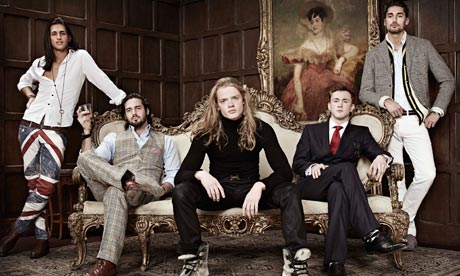 Michel Foucalt says that "We are born with a basic identity we then mediate that personality for who we meet" according to this theory our identities develop via the influence of others around us and will continue to change with our environment and influences. With that in mind the main reason these types of shows are so popular is because they show the viewers social extremes, for example Made in Chelsea is a show that stars around the lives of a group of socialite youths who are all the heirs of affliuent companies and enjoy an extravagant lifestyle driving the best cars, wearing the most expensive clothes, living in an upper class area and enjoying the finest lifestyle without worries. The characters of the show share a collective identity and have clearly influenced the devlopment of their identity's they use the same colloquialisms, have similar interests in fashion, cars, sex and go to the same places. It is this similarity that gives individuals a sense of belonging which we can see from the way they express themselves, an interesting quote from the show is." Capitalism makes you beautiful" this shows that it is their fortune that defines their persona and to viewers this is a very powerful statement because it brings in Henri tajfel's social theory on in and out groups that says "the groups we are part of transform into a source of pride and self-esteem and in order to increase our social identity, we enhance the status of the group which often leads to discriminating against another groups". Young people that view the show will regard the stars as the in group and aspire to be like them and in order to not become a part of the out group will begin to emulate their lifestyle which is in turn forming their collective idenitity.
  However this idea of in and out groups can change depending on your persepctive, for example the group from Made in Chelsea would consider the cast of rival reality show Geordie Shore as an out group because they are frequently loud, crude and obnoxious and engage in sexually promiscuous behaviour, heavy drinking and partying whilst paying little attention to social norms such as working or family responsibilities. Though this social group differs they have formed their own collective identity and this type of behaviour constructs an image and it is this image that viewers can identify with. The image of this free lifestyle is very appealing Merleau Ponty's theory that "we have an embodied experience with naything in which we use our bodies to create new things for our identity" and by choosing to watch Geordie Shore viewers are having an embodied experiece and developing a sense of belonging and identity.
 The influence of reality TV shows is quite significant I believe that the representations we see on the screen are extremes of normal social groups which creates a sense of reality and because people can often aspire to be like the representations which leads to forming a collective identity with the people on screen as well as others who aspire to that lifestyle.
Thursday, 6 October 2011
To what extent does social media give us a sense of collective Identity
In modern society the youth use social media as a part of and as a means of constructing their identity's. They use social networks as a means of developing or 'updating' their own identity, the theory on social media by Henry Jenkins states that "teens are constantly updating and customising their online profiles by adding songs, pictures and by posting on each others walls". By interacting in this way they are able to build up a shared social identity on Facebook each user creates their own personal page which displays interests, favourite music or film, relationship status and the area in which you live etc. not only do users define themselves by creating such profiles but young people by commenting on or seeking out people who have similar interests or live in the same area as you they are using that social network to gain a sense of collective identity. This idea is what is meant by Merleau Ponty's theory that 'we have an embodied experience with anything in which we use or bodies to create developing new ideas for our identity's' which is what users do every time they engage with others using social media whihc suggests that websites like facebook are key in devlopment of collective identity in the youth generation.
Youth and popular culture are indefinitely interlinked and popular culture is a huge part of social media, websites such as twitter and tumblr which are frequented constantly by young people are centres of pop culture on these social networks young people comment, reblog or retweet on anything from popular music, fashion or celebrities and post and reblog pictures and images that they share a common interest in and it is in this behaviour that online communities that are allowing the youth to connect with others far quicker and easier then before and by creating these virtual communities that young people have grown up with and instinctively use a new collective identity is formed.
This relatively new idea of social networks and youth using the social media as a means of creating a social identity is interesting because it subverts the Marxist theory that takes the concept of collective identity to its extreme and for many socio-economic reasons argues that there should be only one world view. Using these social mediums as propaganda instilling ideals and forcing a collective identity instead of allowing us to create and develop our own identities, this shows that the extent of the affect of social media on identity is large and can also be used negatively.
To relate this to a recent case study during the London riots there was heavy new coverage and the main focus of may of the reports were the violence, misconduct and criminality of youths during the incidents. In all mediums the press reported young people in a negative light making use and playing on the fears of other social groups by using racial and social profiling they created a sense of hysteria and forced a negative collective identity for young people this discrimination forced them to become the 'out-group'.
Social media is a strong power and is able to strongly influence our idenities with social networking sites it has become easir to interact with people of similar nature and form groups and then a collective identity, although it can slo be used to force a suggested collective identity onto a group because in present society we are always exposed to messages from the media. in conclusion the extent of the impacts of social media on collective identity is huge.
Youth and popular culture are indefinitely interlinked and popular culture is a huge part of social media, websites such as twitter and tumblr which are frequented constantly by young people are centres of pop culture on these social networks young people comment, reblog or retweet on anything from popular music, fashion or celebrities and post and reblog pictures and images that they share a common interest in and it is in this behaviour that online communities that are allowing the youth to connect with others far quicker and easier then before and by creating these virtual communities that young people have grown up with and instinctively use a new collective identity is formed.
This relatively new idea of social networks and youth using the social media as a means of creating a social identity is interesting because it subverts the Marxist theory that takes the concept of collective identity to its extreme and for many socio-economic reasons argues that there should be only one world view. Using these social mediums as propaganda instilling ideals and forcing a collective identity instead of allowing us to create and develop our own identities, this shows that the extent of the affect of social media on identity is large and can also be used negatively.
To relate this to a recent case study during the London riots there was heavy new coverage and the main focus of may of the reports were the violence, misconduct and criminality of youths during the incidents. In all mediums the press reported young people in a negative light making use and playing on the fears of other social groups by using racial and social profiling they created a sense of hysteria and forced a negative collective identity for young people this discrimination forced them to become the 'out-group'.
Social media is a strong power and is able to strongly influence our idenities with social networking sites it has become easir to interact with people of similar nature and form groups and then a collective identity, although it can slo be used to force a suggested collective identity onto a group because in present society we are always exposed to messages from the media. in conclusion the extent of the impacts of social media on collective identity is huge.
Friday, 16 September 2011
Key Theorists and the London Riots
Peter Burke - Identity Control Theory


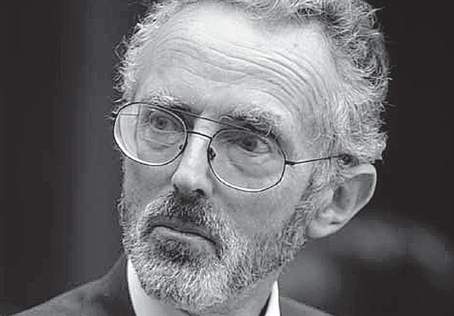
Is a theory focused on the development of personal identity it focuses on the nature of peoples' identities and the relationship between their identities and their behaviour within their subculture. The identities of the individual are rooted in their social grouping the theory was created based on traditional symbolic interaction views where people choose their own behaviours and how their behaviours correspond to the meanings of their identity. One of the main aspects ICT deals with is how individuals view their own identities and respond to the reactions to their identities of those around them. When an individual is acting according to the identity control theory they reflect on the identity they display and how others approve or disapprove of their identity. If the individual does not like the responses of others they will look at how they can change their views of their identity or their identity towards themselves to produce a positive outcome
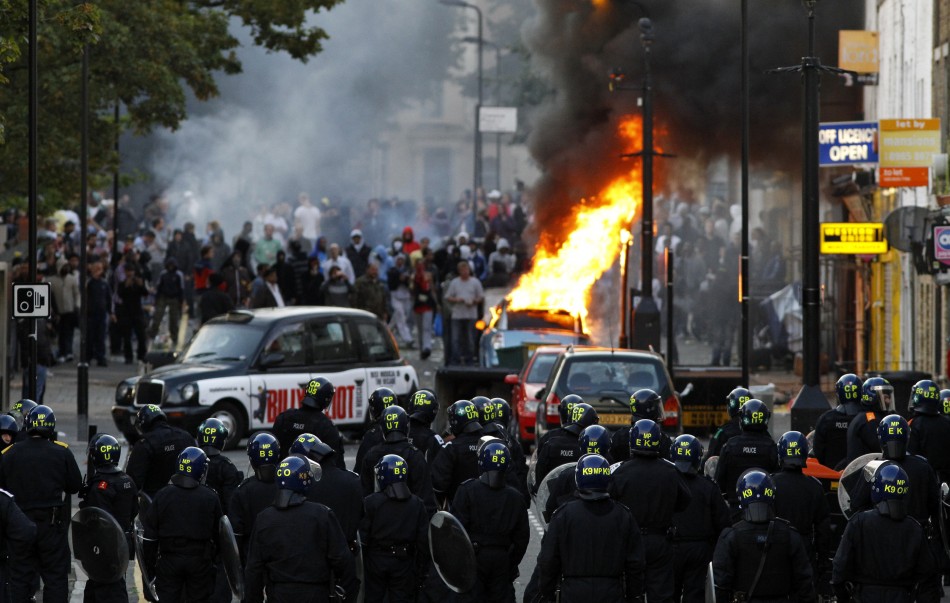
The Identity Control Theory works really well with the case study of the London riots because according to the theory individuals in this case the youths react and create their own identity in response to what is happening around them, we can see that in this case it had a negative effect because the youths that were exposed to the violent destructive behaviour began to reflect that behaviour themselves on the identity that they displayed which created a the riot subculture in which they all began to show the same behaviours as they all shared the same identity.
Thursday, 15 September 2011
Key Theorists and the London Riots

Henri Tajfel- Social Identity Theory
Social identity theory assumes that individuals strive to improve there self image by trying to enhance self esteem, based on either personal identity or various social identities.Tajfel proposed that the groups (e.g. social class, family, football team etc.) which people belonged to were an important source of pride and self-esteem these groups give us a sense of social identity and by having these groups we split ourselves into 'them and 'us'.Tajfel argues that there is a distinct difference between these 'in-groups' and 'out-groups', this developed in 'in-group' favouritism and 'out-group' discrimination social identity theory states that the in-group will discriminate against the out-group to enhance their self-image and in order to increase our own self image we enhance the image of our own group.
The way the media presented youth according to Tajfel's theory are that of an 'out-group' the media came down hard on the youths who were seen to be a part of the riots and in doing so lowered the status of youths by using negative media coverage which allowed adults and the government to enhance their own self image becoming the more powerful 'in-group'.
The way the media presented youth according to Tajfel's theory are that of an 'out-group' the media came down hard on the youths who were seen to be a part of the riots and in doing so lowered the status of youths by using negative media coverage which allowed adults and the government to enhance their own self image becoming the more powerful 'in-group'.
Subscribe to:
Posts (Atom)