Wednesday, 19 October 2011

How do people form their collective Identity through reality TV shows?


Collective identity is the idea that a set of indivudual's feel a sense of belonging to a group or collective and it is from this group that the indivdual derives or shapes a part of their personal identity. The way collective identity is formed can be from hobbies or a shared interest in music, art, sports, film but in a lot of cases for our generation which has grown up with the strong influence of social media it is easy to see that young people form a part of their collective idenitity through TV shows. Especially as the emergence of reality TV shows has increased rapidly recently with the surge in popularity of shows such as Geordie Shore, The only way is Essex and Made in Chelsea.

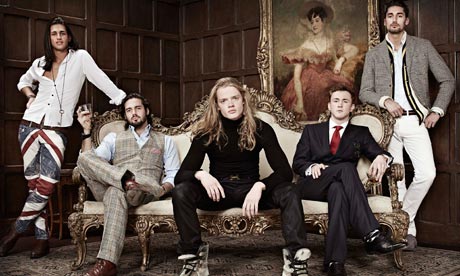
Michel Foucalt says that "We are born with a basic identity we then mediate that personality for who we meet"  according to this theory our identities develop via the influence of others around us and will continue to change with our environment and influences. With that in mind the main reason these types of shows are so popular is because they show the viewers social extremes, for example Made in Chelsea is a show that stars around the lives of a group of socialite youths who are all the heirs of affliuent companies and enjoy an extravagant lifestyle driving the best cars, wearing the most expensive clothes, living in an upper class area and enjoying the finest lifestyle without worries. The characters of the show share a collective identity and have clearly influenced the devlopment of their identity's they use the same colloquialisms, have similar interests in fashion, cars, sex and go to the same places. It is this similarity that gives individuals a sense of belonging which we can see from the way they express themselves, an interesting quote from the show is." Capitalism makes you beautiful"  this shows that it is their fortune that defines their persona and to viewers this is a very powerful statement because it brings in Henri tajfel's social theory on in and out groups that says "the groups we are part of transform into a source of pride and self-esteem and in order to increase our social identity, we enhance the status of the group which often leads to discriminating against another groups". Young people that view the show will regard the stars as the in group and aspire to be like them and in order to not become a part of the out group will begin to emulate their lifestyle which is in turn forming their collective idenitity.

Geordie Shore castHowever this idea of in and out groups can change depending on your persepctive, for example the group from Made in Chelsea would consider the cast of rival reality show Geordie Shore as an out group because they are frequently loud, crude and obnoxious and engage in sexually promiscuous behaviour, heavy drinking and partying whilst paying little attention to social norms such as working or family responsibilities. Though this social group differs they have formed their own collective identity and this type of behaviour constructs an image and it is this image that viewers can identify with. The image of this free lifestyle is very appealing Merleau Ponty's theory that "we have an embodied experience with naything in which we use our bodies to create new things for our identity" and by choosing to watch Geordie Shore viewers are having an embodied experiece and developing a sense of belonging and identity.

The influence of reality TV shows is quite significant I believe that the representations we see on the screen are extremes of normal social groups which creates a sense of reality and because people can often aspire to be like the representations which leads to forming a collective identity with the people on screen as well as others who aspire to that lifestyle.

Thursday, 6 October 2011

To what extent does social media give us a sense of collective Identity

In modern society the youth use social media as a part of and as a means of constructing their identity's. They use social networks as a means of developing or 'updating' their own identity, the theory on social media by Henry Jenkins states that "teens are constantly updating and customising their online profiles by adding songs, pictures and by posting on each others walls". By interacting in this way they are able to build up a shared social identity on Facebook each user creates their own personal page which displays interests, favourite music or film, relationship status and the area in which you live etc. not only do users define themselves by creating such profiles but young people by commenting on or seeking out people who have similar interests or live in the same area as you they are using that social network to gain a sense of collective identity. This idea is what is meant by Merleau Ponty's theory that 'we have an embodied experience with anything in which we use or bodies to create developing new ideas for our identity's' which is what users do every time they engage with others using social media whihc suggests that websites like facebook are key in devlopment of collective identity in the youth generation. 


Youth and popular culture are indefinitely interlinked and popular culture is a huge part of social media, websites such as twitter and tumblr which are frequented constantly by young people are centres of pop culture on these social networks young people comment, reblog or retweet on anything from popular music, fashion or celebrities and post and reblog pictures and images that they share a common interest in and it is in this behaviour that online communities that are allowing the youth to connect with others far quicker and easier then before and by creating these virtual communities that young people have grown up with and instinctively use a new collective identity is formed.


This relatively new idea of social networks and youth using the social media as a means of creating a social identity is interesting because it subverts the Marxist theory that takes the concept of collective identity to its extreme and for many socio-economic reasons argues that there should be only one world view. Using these social mediums as propaganda instilling ideals and forcing a collective identity instead of allowing us to create and develop our own identities, this shows that the extent of the affect of social media on identity is large and can also be used negatively. 


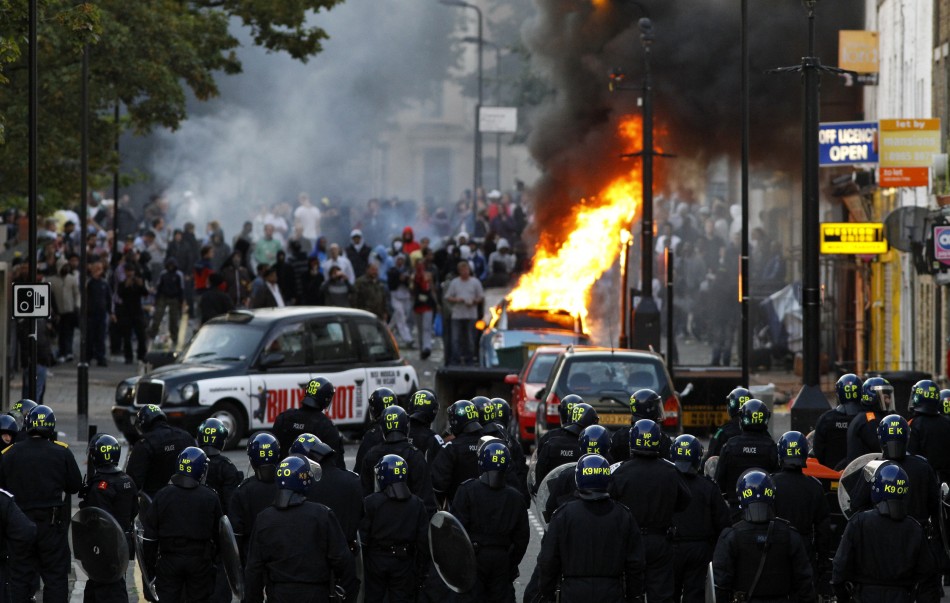
To relate this to a recent case study during the London riots there was heavy new coverage and the main focus of may of the reports were the violence, misconduct and criminality of youths during the incidents. In all mediums the press reported young people in a negative light making use and playing on the fears of other social groups by using racial and social profiling they created a sense of hysteria and forced a negative collective identity for young people this discrimination forced them to become the 'out-group'. 


Social media is a strong power and is able to strongly influence our idenities with social networking sites it has become easir to interact with people of similar nature and form groups and then a collective identity, although it can slo be used to force a suggested collective identity onto a group because in present society we are always exposed to messages from the media. in conclusion the extent of the impacts of social media on collective identity is huge.


Friday, 16 September 2011

Key Theorists and the London Riots

Peter Burke - Identity Control Theory 


Is a theory focused on the development of personal identity it focuses on the nature of peoples' identities and the relationship between their identities and their behaviour within their subculture. The identities of the individual are rooted in their social grouping the theory was created based on traditional symbolic interaction views where people choose their own behaviours and how their behaviours correspond to the meanings of their identity. One of the main aspects ICT deals with is how individuals view their own identities and respond to the reactions to their identities of those around them. When an individual is acting according to the identity control theory they reflect on the identity they display and how others approve or disapprove of their identity. If the individual does not like the responses of others they will look at how they can change their views of their identity or their identity towards themselves to produce a positive outcome


The Identity Control Theory works really well with the case study of the London riots because according to the theory individuals in this case the youths react and create their own identity in response to what is happening around them, we can see that in this case it had a negative effect because the youths that were exposed to the violent destructive behaviour began to reflect that behaviour themselves on the identity that they displayed which created a the riot subculture in which they all began to show the same behaviours as they all shared the same identity. 


Thursday, 15 September 2011

Key Theorists and the London Riots

Henri Tajfel- Social Identity Theory

Social identity theory assumes that individuals strive to improve there self image by trying to enhance self esteem, based on either personal identity or various social identities.Tajfel proposed that the groups (e.g. social class, family, football team etc.) which people belonged to were an important source of pride and self-esteem these groups give us a sense of social identity and by having these groups we split ourselves into 'them and 'us'.Tajfel argues that there is a distinct difference between these 'in-groups' and 'out-groups', this developed in 'in-group' favouritism and 'out-group' discrimination social identity theory states that the in-group will discriminate against the out-group to enhance their self-image and in order to increase our own self image we enhance the image of our own group.


The way the media presented youth according to Tajfel's theory are that of an 'out-group' the media came down hard on the youths who were seen to be a part of the riots and in doing so lowered the status of youths by using negative media coverage which allowed adults and the government to enhance their own self image becoming the more powerful 'in-group'.


Disjuncture

Illustration

Amplification